Alaska Exploration & Mt Denali Expedition
Glaciers, land stewardship and human limits · Mountaineering, judgement and self-knowledge · Cryosphere and wildlife fieldwork · Technical mountaineering
Denali is the last shared expedition before graduation: a self-supported, guided attempt on North America’s highest peak (6,190 m), with students hauling their own loads and licensed guides leading. Yukon, Khumbu, Hokkaido and Aconcagua provide the foundation for glacier travel, cold-weather routines and decisions under Alaska conditions. Athabascan educators introduce Dena’ina and Koyukon histories, place-names and approaches to land stewardship in scheduled teaching before and after the mountain phase. The block brings these lessons together with the comparative cryosphere study and reflection on the limits of scientific, cultural and personal knowledge. Conditions and team readiness determine how the expedition proceeds.
- How does the Denali expedition bring earlier ecological, cultural and personal learning into a developing philosophy of leadership and stewardship?
- How do Athabascan educators explain relationships with the Alaska Range, and how do their accounts compare with scientific and mountaineering narratives? What responsibilities follow for us as visitors?
- As we prepare to graduate and transfer our learning, what core practices, questions, relationships and commitments will we carry forward?
- What do success and a well-lived life mean to me now, and which of the six competencies might remain useful beyond Pelion?
- Self-supported, guided expedition on the Alaska Range — students haul their own loads (sled + pack), licensed guides lead: bush-plane access, Kahiltna (or equivalent) glacier base-camp establishment, progressive load carries, cache management, and small-team living in extreme subarctic conditions.
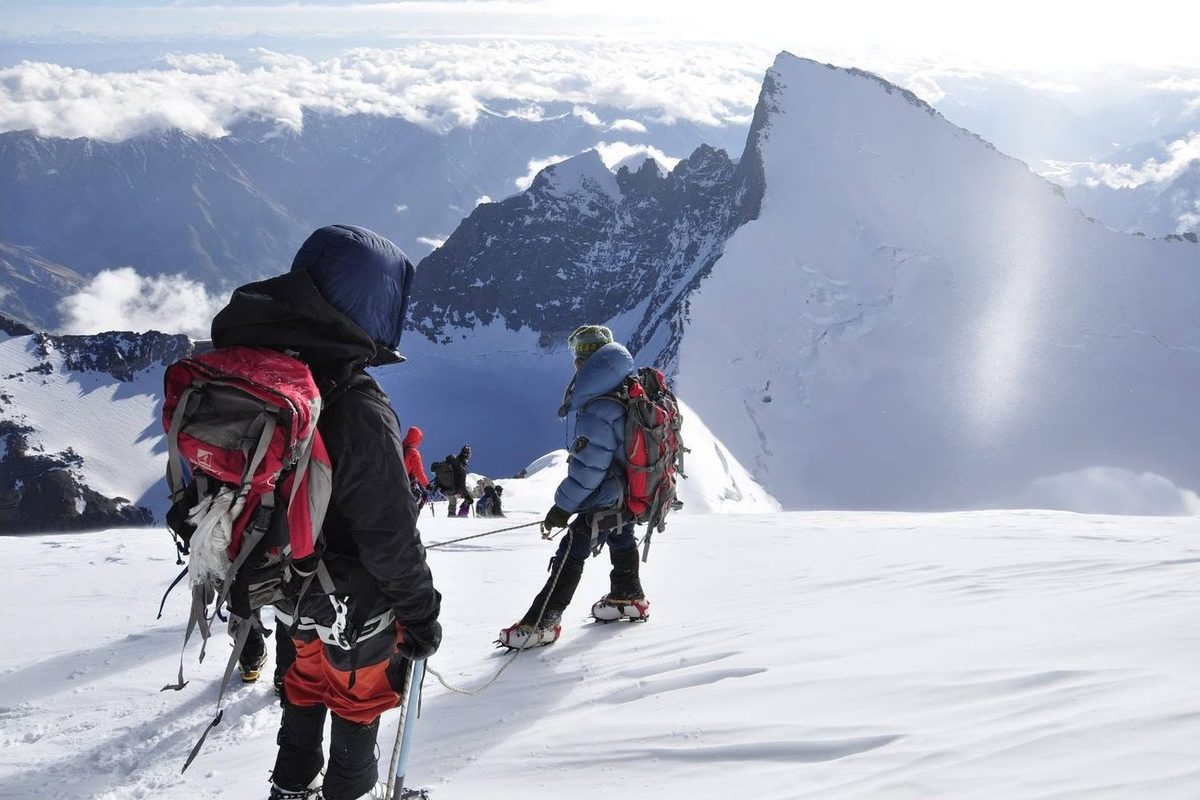
- Advanced technical mountaineering: ski or boot glacier travel, crevasse-rescue systems (Z-pulley, piggyback), ice-axe arrest, rope-team travel, avalanche-terrain recognition, and high-camp protocols under Alaska-specific hazards (cold, wind, whiteout, serac fall).
- Athabascan educators teach Dena’ina place-names, oral histories, traditional use of the Alaska Range, park co-stewardship and subsistence. Interpretive programs and readings provide further historical context.
- Cryosphere and wildlife field immersion: repeat glacier photography, snow-pit analysis, temperature/ablation monitoring, wildlife transects (caribou, bear, Dall sheep, ptarmigan), documented in the Pelion field archive and compared with published National Park Service and USGS records.
- Phenomenological and epistemological reflection: extended-twilight sit-spots on moraines and journals connect Denali with earlier program experience, examining what personal observations and scientific records each reveal. Daily synthesis debriefs consider learning across the program.
- Guiding question: How do visible and measurable changes in Denali’s glaciers, permafrost and ecosystems compare with patterns studied earlier? How might different forms of knowledge contribute to adaptation here and elsewhere?
- Hands-on methods: standardised glacier and snow monitoring, wildlife-sign and camera-trap records, educator-led mapping sessions, and analysis of park-management plans and local land use.
- Epistemological work: compare the explanations taught by Athabascan educators with mountaineering and exploration narratives. Examine how these accounts shape conservation and adventure in Alaska, and reflect on visitor responsibility and reciprocity.
- Portfolio integration: final synthesis of multimodal artifacts (journals, photos, data, stories) into capstone outputs for public presentation at Graduation.
- Apply glacier-travel and high-altitude skills under licensed-guide supervision in Alaska conditions, including crevasse-rescue procedures, objective-hazard assessment and cold-injury prevention (Grit, Judgement).
- Compare Athabascan educators’ teaching with the program’s scientific and mountaineering accounts, crediting sources and following agreed terms for shared knowledge (Awareness, Judgement, Impact).
- Complete and synthesise the year-long cryosphere dataset, linking Denali to Yukon, Khumbu, Japan, Namibia, Botswana & Tanzania and the Andes (Rigor, Impact).
- Sustain attention, care for teammates and leadership responsibilities during prolonged demanding conditions (Grit, Impact).
- Produce a capstone-integrating synthesis narrative that names what a year-long global apprenticeship has taught (Awareness, Impact, Audacity).
Natural sciences. Glacier mass balance & permafrost dynamics at Denali; program-wide comparative cryosphere synthesis.
Human sciences. Kinship, land use and co-management taught by Athabascan educators; park politics and the Alaskan resource economy; how a group decides who is capable, whose knowledge matters and what its members owe one another (Wallis).
Epistemology. How knowledge is developed collaboratively and adapted to circumstances; the limits of knowing; learning from and acknowledging teachers.
Field Ledger. the Ledger closes — final entries + the seven-region comparative climate report.
Resource Atlas. Parks & oil: the Alaskan settlement — final Atlas case.
Ways of Knowing Journal. Indigenous–scientific co-management compared with other approaches studied across the program: what evidence supports its use, and under what conditions? The leadership reflection and handover revisit assumptions about age, competence, contribution and mutual responsibility.
- Glacier travel, crevasse rescue and objective-hazard decisions under guide supervision in Alaska conditions, building on Yukon, Aconcagua and prior winter training.
- Advanced cold-injury prevention, hydration/nutrition management, and wilderness-medical decision-making in extreme environments (highest-level WFR integration).
- Learning and research protocols: preparation for educator-led sessions, attribution and separately agreed interviews; design and facilitation of reflection and transition sessions for peers and incoming students.
- Independent capstone research design, execution and public communication; synthesis of scientific, cultural, personal and justice dimensions.
- Personal practices for sustaining wellbeing, purpose, Audacity and connection to place after the structured program ends.
| Week 100 Access + Base + Athabascan Teaching | Bush-plane, base camp, Athabascan teaching | Scheduled teaching with Athabascan educators and interpretive programs near Talkeetna; bush-plane glacier access; base-camp establishment; crevasse-rescue and glacier-travel refresher under Alaska conditions. |
| Week 101–102 Expedition + Cryosphere | Carries, high camps, monitoring | Progressive load carries, cache management and moves to high camps; glacier/snow monitoring and repeat photography; objective-hazard decision-making; summit window management. |
| Week 103 Descent + Synthesis | Integration, capstone prep | Descent and recovery; extended-twilight reflection; integrate Denali data with the full year; prepare capstone outputs for Graduation; culminating team debrief. |
Primary (recommended). Cryosphere-synthesis narrative (film, extended StoryMap or major essay) linking Denali glacier mass loss, permafrost dynamics, wildlife observations and objective-hazard decisions with earlier Yukon, Himalaya, Japan, Namibia, Botswana & Tanzania and Andes climate records. Draw on Athabascan educators’ lessons and interpretive sources with attribution and agreed use, explaining how each source informs the account.
Alternatives (from menu). Advanced glacier-travel and crevasse-rescue podcast or soundscape; capstone research story fully integrated with the Portfolio and public presentation.
Narrative-craft guidance. What do the field record and lessons from teachers support, and what remains uncertain? Which practices, questions and responsibilities do I want to carry forward and explain to the next cohort?
Competencies emphasised. Synthesis of climate and resilience data through storytelling (Rigor, Impact); reflection on technical mountaineering, sustained effort and consequential decisions (Grit, Judgement); interpretation of Indigenous knowledge and consent-based communication (Awareness, Impact).
Integration w/ Exploration & Research. The final shared expedition brings earlier exploration and research into place-based storytelling on Denali, connecting field evidence with the experience of traveling and working together.
Individually-accountable output. Final Extended Project/cryosphere synthesis integration; individual capstone research + reflection (culminating Judgement/Grit/Awareness evidence).
Team output. Completed year-long cryosphere dataset (Denali + all prior sites) for partners; expedition leadership record.
Storytelling deliverable. Cryosphere-synthesis narrative on Craft axis; program-wide climate synthesis on Substance axis.
Primary competencies evidenced. Grit, Judgement, Awareness and Rigor foregrounded; Impact and Audacity evidenced through the expedition and capstone.
Substance vs Craft. Program-wide climate/cryosphere synthesis counts as Substance, the synthesis narrative as Craft; the two are scored independently. Summit outcome does NOT affect competency grades.
Moderation. Double-mark high-stakes judgement/leadership; faculty logs + peer 360°; capstone feeds the Graduation defense and final competency determination.
A guiding question on how Denali's glacier, permafrost and ecosystem change mirrors or diverges from patterns recorded at earlier field sites drives standardised monitoring, camera-trap work, oral-history mapping and a defended capstone. The capstone is designed, executed and communicated by the student, who sets the synthesis question and selects the methods, artifacts and argument carried into public presentation.
Snow-pit profiles, temperature and ablation observations, repeat photography and wildlife records support the comparative climate report. Documented datasets enter the Pelion field archive and are compared with published NPS and USGS records.
Scheduled lessons and mapping sessions with Athabascan educators complement interpretive programs, park documents and expedition accounts. Separately agreed interviews and oral-history projects address specific questions; journals identify sources and distinguish the students’ interpretations.
Crevasse rescue, rope-team travel, ice-axe arrest, sled and cache management, avalanche recognition, cold-injury prevention and medical procedures are refreshed at base camp and applied during the expedition.
A cryosphere-synthesis narrative in film, extended StoryMap or essay, with glacier-travel podcast and soundscape alternatives, built from journals, photographs, field audio and data for public presentation.
Students compare Athabascan educators’ explanations and historical sources with mountaineering narratives. Twilight sit-spots and journals support reflection on evidence, visitor responsibilities and the program’s findings.
Athabascan educators lead sessions on Dena’ina place-names, oral histories and use of the Alaska Range before and after the mountain phase. Students prepare for teaching and visit protocols and use the lessons alongside historical and interpretive sources.
Sessions with Athabascan educators near Talkeetna fit the expedition timetable, over days rather than weeks.
Rope-team travel, crevasse-rescue systems and progressive load carries on the glacier, with team-care and leadership sustained under prolonged extreme conditions.
Objective-hazard and summit-window calls are taken within rope teams under licensed guides, with team-care duties, daily debriefs, facilitation of reflective processes for peers, and a leadership record kept.
Route, timing and summit calls rest with licensed guides, while the capstone question, methods, storytelling medium and synthesis schedule are chosen and run by the student.
Students haul their own loads and run the camps — caches, cooking, shelter building, rope-team roles and cold-injury watch — while licensed guides lead the route.
Four weeks of progressive load carries on the Kahiltna glacier, hauling sled and pack between camps at altitude, with cache management and repeated moves to high camps.
Glaciated subarctic terrain with cold, wind, whiteout and serac fall, where shelter is what the rope team carries. Cold-injury prevention and hydration management run daily.
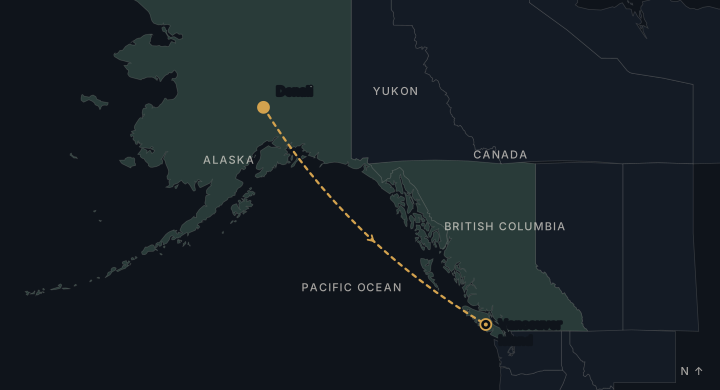
Glacier base camp and successive high camps on the Alaska Range, reached by bush plane and running on hauled supplies, with no mains power, water or resupply.
No marine, coastal or freshwater-system content; the weeks sit on glacier and high-camp terrain in the Alaska Range interior, with the Talkeetna interface inland.
Extended-twilight sit-spots on moraines and individual journaling are timetabled daily, inside roped travel and shared tents. No solo overnight or silent retreat is scheduled.
Bush-plane access, the Kahiltna base camp and progressive carries to high camps provide the setting for glacier research. Moraine sit-spots and wildlife transects extend observation and reflection during the expedition.
Students study snow, glacier change and wildlife using field observations and published NPS and USGS records. Measurements, images and methods are documented in the Pelion field archive for comparison across cohorts.
Glacier mass loss, permafrost dynamics and shifting wildlife corridors are studied through snow-pit and ablation monitoring, alongside park co-stewardship, subsistence perspectives and self-supported small-team living on hauled supplies.
Athabascan educators teach oral histories, place-names and use of the Alaska Range. Students compare these lessons with historical sources and mountaineering and exploration accounts.
Consent-based engagement with Athabascan educators, questions of whose stories shape conservation and adventure in Alaska, and a stated personal position on visitor responsibility and reciprocity.
The final Resource Atlas case examines Alaska’s parks and oil economy, including land management and development interests. Expedition access, permits and guiding provide additional economic context.
Students compare Athabascan educators’ accounts of the mountain with scientific and mountaineering sources. Extended-twilight sit-spots and journals explore what the field record, teaching and personal experience each contribute to understanding.