The Pelion Curriculum
Pelion's founding class graduates with an accredited high-school diploma, two transcripts, a defended thesis, and a portfolio of published work.
Academic Spine
Core
A container for understanding complex socio-ecological systems; the meta-cognitive capacity to transfer learning across biomes, cultures, and life contexts; and a personal theory of change grounded in lived experience and multiple ways of knowing.
Assessment
Assessment has two categories: Substance and Craft. Substance informs the academic transcript; both inform the competency profile. Assessments include essays, written examinations, field reports, podcasts, documentary photo and film, public speaking, and so on across a range of media.
Six terms
Pelion's two years are built from twenty-four field blocks across six terms. Each block has a place, a set of questions, field research, a Core seminar, its own reading, skills and certifications, a public deliverable, and a graded output.
Canada
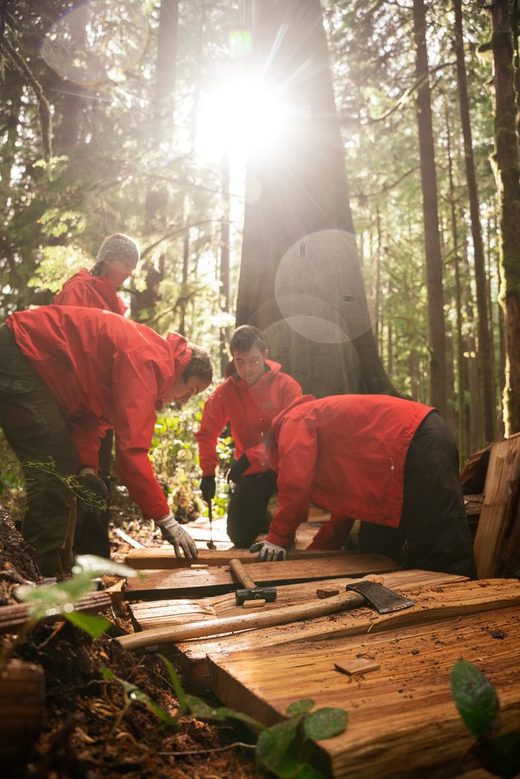
Ancient Forests, Lifeways, and Stories. Forest and marine ecology, urban policy, and Indigenous governance, from Nootka to the Yukon. Track wolves and live off-grid with local knowledge keepers, then go solo in the wilderness.

Nepal & India
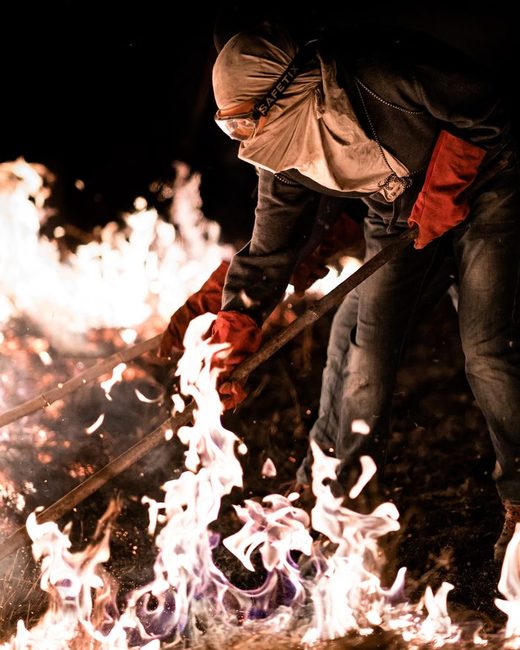
Water security and the politics of development, from the Himalaya to Sahyadris. Glaciers, hydropower, and aid versus trade. Cross three 5000m passes, homestay with Sherpa hosts, train in wilderness fire and rescue, and intern with Mumbai start-ups.
Japan
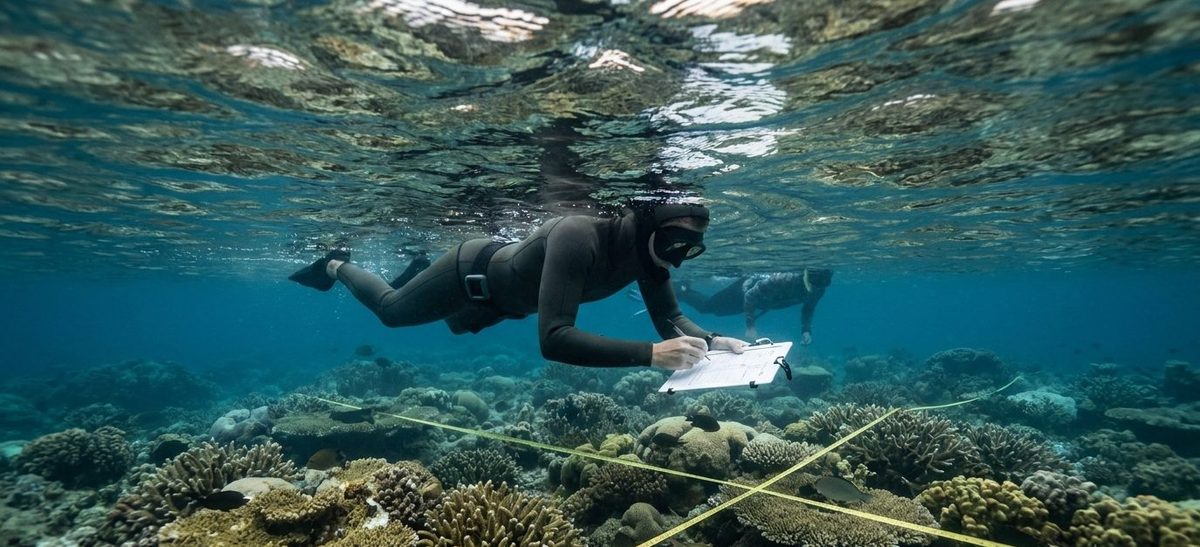
Philosophy, design, and technology, from the snow country to the subtropical Pacific. Avalanche science, an aging society, robotics, and satoyama. Ski-mountaineer Hokkaido's volcanoes, walk the Kumano Kodo, then freedive the Ogasawara Islands researching marine stewardship and endemic species.
Namibia, Botswana & Tanzania
Water, wildlife, and community-based conservation, from the Skeleton Coast to Zanzibar. Desert ecology, the commons, and who shares conservation's benefits. Track rhino and pole a mokoro with local knowledge keepers, attempt Kilimanjaro, then research reef resilience freediving off Zanzibar.
Chile & Argentina
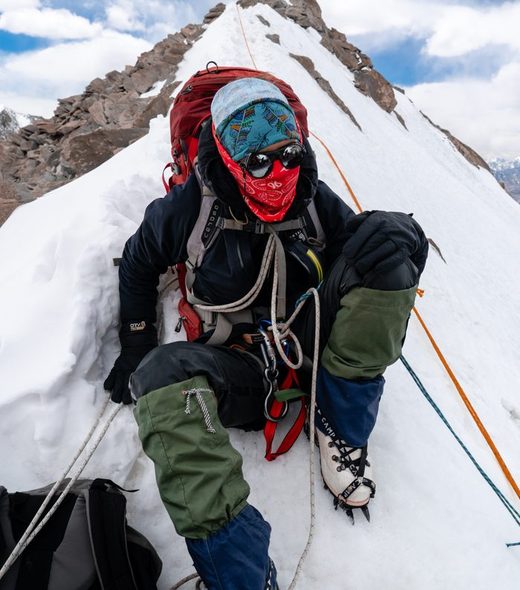
Resources, geopolitics, and political economy, from lithium to Malbec. Extraction, water rights, and national memory. Freedive the Humboldt cove, overland the Puna de Atacama and attempt Aconcagua.
Alaska, USA
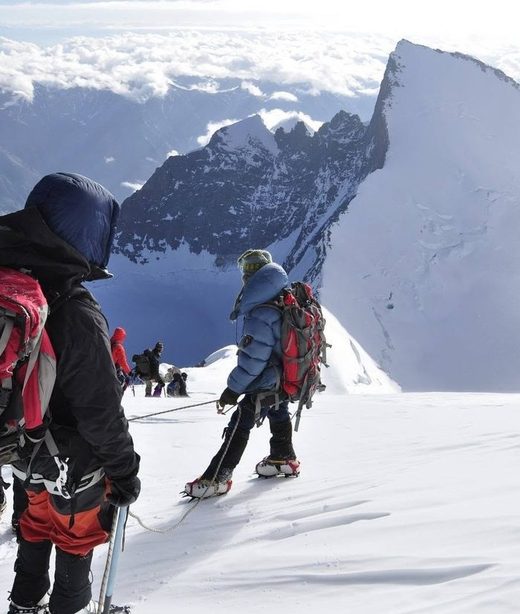
Two years of cryosphere research completed on Denali; the thesis and portfolio defended in public. Attempt Denali, learn from Athabascan educators, then return to Vancouver Island to graduate and pass the flame.
Teaching, research and community work
From field investigation to assessed work
Example from Term 1, Nootka
Field investigation
Students frame a testable question about wolf ecology or forest health, then collect pilot data through tracking, transects, camera traps, acoustic surveys and mapping. They receive guidance from local researchers and community teachers.
Academic work
The seminar “What Counts as Evidence?” covers observation, inference, sampling bias and research ethics. Students read Kimmerer alongside field-methods primers and examine consent, data ownership and the accounts of wolves taught by Nuu-chah-nulth teachers.
Submission
A pilot-study report, personal research-ethics statement and a 3–5-minute documentary or illustrated narrative. Each student also outlines a provisional Extended Project topic and initial research plan.
Non-invasive monitoring is conducted with a local conservation organisation. Students share findings, limitations and a data package with the partner, and follow agreed consent and data-use protocols with the community.
Qualifications and university progression
Pelion’s founding class graduates with an accredited high-school diploma, two transcripts, a defended thesis, and a portfolio of published work.
Qualifications
- An academic transcript and a Mastery Transcript.
- A-levels/APs and standardised exams based on university aspirations.
- AQA Extended Project Qualification.
Academic support
- A dedicated academic coach.
- Coordination with online subject teachers.
- Individual study plans and preparation for external examinations.
University progression
- Director of College Counseling from Term 1.
- Subject choices aligned with intended courses.
- Dedicated application periods in the program calendar.